


When it comes to enhancing the beauty and functionality of your garden, one crucial decision you'll face is choosing the right garden edging. Two popular options stand out: metal and wood. As a supplier of metal garden edging, I've witnessed firsthand the benefits and drawbacks of both materials. In this blog post, I'll delve into the details of metal and wood garden edging to help you make an informed decision.
Durability
One of the most important factors to consider when choosing garden edging is durability. Metal garden edging, particularly Galvanized Garden Edging, is renowned for its long - lasting nature. Galvanization involves coating the metal with a layer of zinc, which protects it from rust and corrosion. This means that metal edging can withstand harsh weather conditions, including heavy rain, snow, and extreme temperatures, without losing its structural integrity.
On the other hand, wood is a natural material that is more susceptible to decay, rot, and insect damage. Even if treated with preservatives, wood will eventually break down over time, especially when exposed to moisture. In areas with high humidity or frequent rainfall, the lifespan of wood garden edging can be significantly reduced.
Aesthetics
The aesthetic appeal of your garden edging can greatly impact the overall look of your outdoor space. Metal garden edging offers a sleek and modern look that can complement a variety of garden styles, from contemporary to minimalist. It comes in a range of colors and finishes, allowing you to choose an option that matches your existing landscape design. For example, a black metal edging can create a bold and sophisticated contrast against green grass and colorful flowers.
Wood, on the other hand, provides a warm and natural look that is perfect for traditional or rustic gardens. It blends seamlessly with the surrounding plants and soil, creating a more organic feel. The texture and grain of the wood add a touch of charm and character to the garden. However, as wood ages, it may develop a weathered appearance, which some people find appealing, while others may prefer the consistent look of metal.
Installation
The ease of installation is another important consideration. Metal garden edging is generally easier and quicker to install compared to wood. Most metal edging products come in pre - formed sections that can be easily connected together. They can be simply pushed or pounded into the ground, and in some cases, they may come with stakes for added stability. This makes it a great option for DIY enthusiasts who want to complete the project without professional help.
Wood garden edging, on the other hand, often requires more time and effort to install. It may need to be cut to size, and proper fastening methods, such as nailing or screwing, need to be used to secure it in place. Additionally, wood edging may need to be leveled carefully to ensure a straight and even appearance, which can be a more challenging task.
Maintenance
Maintenance is a key factor that can affect your long - term satisfaction with your garden edging. Metal garden edging requires minimal maintenance. Periodic cleaning with a mild detergent and water is usually sufficient to keep it looking good. In the case of galvanized metal, there is no need to worry about rust or corrosion for many years. If a scratch occurs, the zinc coating will continue to protect the underlying metal.
Wood garden edging, however, demands more attention. It needs to be regularly treated with preservatives to prevent rot and insect infestation. Over time, the wood may also need to be sanded and refinished to maintain its appearance. This ongoing maintenance can be time - consuming and costly.
Cost
Cost is always a consideration when making a purchasing decision. In general, metal garden edging may have a higher upfront cost compared to wood. However, when you factor in its long - term durability and low maintenance requirements, it can be a more cost - effective option in the long run. You won't have to replace the metal edging as frequently as you would with wood, which can save you money over time.
Wood garden edging is often less expensive initially, but the cost of regular maintenance and eventual replacement can add up. Additionally, high - quality treated wood can be relatively costly, and if you opt for cheaper, untreated wood, you may face more frequent replacement due to its shorter lifespan.
Versatility
Metal garden edging offers a high degree of versatility. It can be used to create straight lines for a formal look or curved shapes for a more organic feel. It can be installed around flower beds, vegetable gardens, and along walkways. Metal Lawn Edging and Metal Garden Edge products come in different heights and thicknesses, allowing you to choose the right option for your specific needs.
Wood garden edging also has some versatility, but it may be more limited in terms of the shapes and designs it can achieve. It is more difficult to bend wood into complex curves without breaking it. Additionally, wood may not be as suitable for certain applications, such as areas with heavy foot traffic, as it can be easily damaged.
Environmental Impact
From an environmental perspective, both materials have their pros and cons. Metal is a recyclable material, which means that at the end of its long lifespan, it can be melted down and reused to create new products. This reduces the demand for virgin materials and helps to conserve natural resources.
Wood is a renewable resource, but the production of treated wood may involve the use of chemicals that can be harmful to the environment. Additionally, if not sourced from sustainable forests, the harvesting of wood can contribute to deforestation.
In conclusion, while both metal and wood garden edging have their own unique advantages, metal garden edging generally offers a better combination of durability, low maintenance, aesthetics, and versatility. If you're looking for a long - lasting, easy - to - maintain, and stylish option for your garden, metal edging is the way to go.

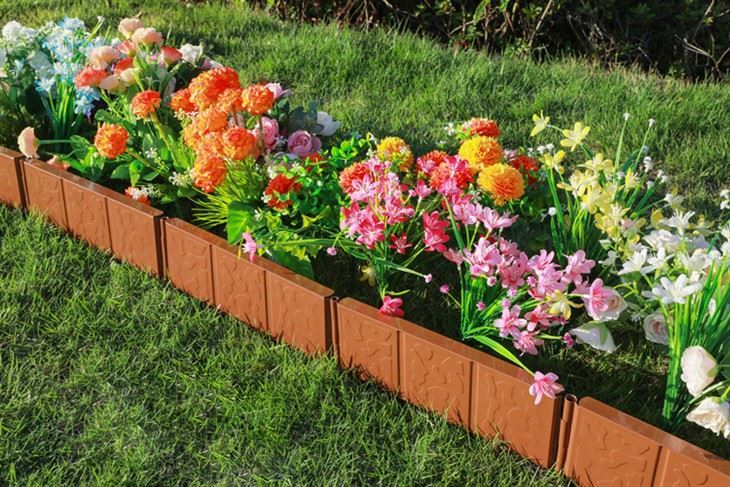
If you're interested in learning more about our metal garden edging products or are considering a purchase, I encourage you to reach out for further discussion. We're here to help you find the perfect solution for your garden.
References
- "The Complete Guide to Garden Edging" by Gardening Today Magazine
- "Materials and Durability in Landscape Design" by Landscape Architecture Journal
- "Cost - Benefit Analysis of Garden Edging Materials" by Home Improvement Research Institute


