


Hey there, gardening enthusiasts! I'm here as a supplier of Tall Landscape Borders, and today we're going to chat about whether it's difficult to transplant plants in a tall landscape border. It's a question I get asked a lot, and there's no one - size - fits - all answer. So, let's dig in!
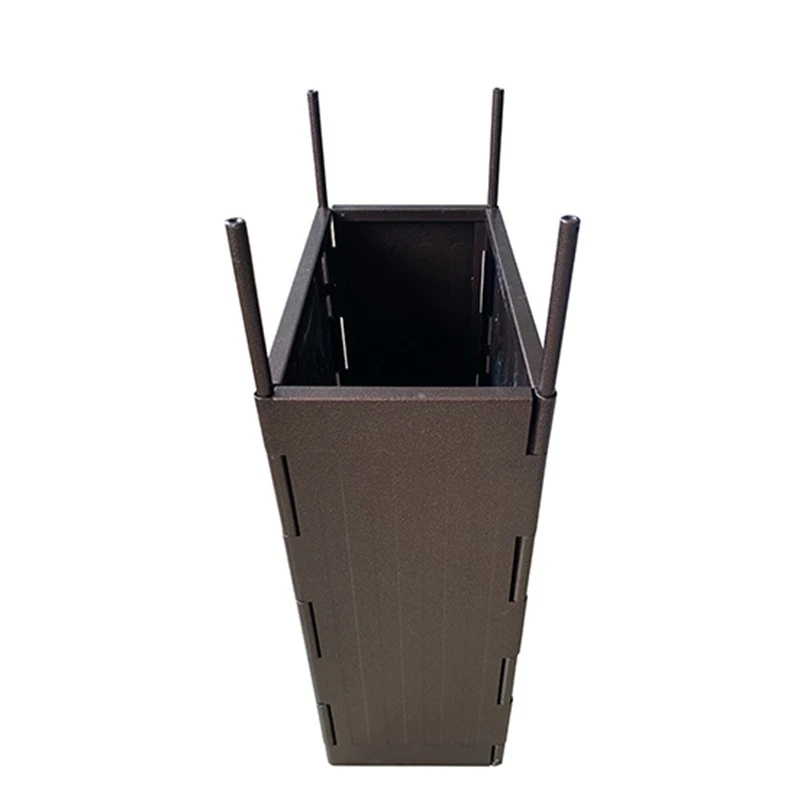
First off, what exactly is a tall landscape border? Well, you can check out more details about it Tall Landscape Border. These borders are great for adding definition to your garden, creating different levels, and even protecting your plants. They can be made of various materials, but as a supplier, I focus on high - quality metal ones that are durable and long - lasting.
Now, let's talk about the transplanting process. Transplanting plants is never a walk in the park, but having a tall landscape border can either make it easier or more challenging, depending on a few factors.
The Advantages of Transplanting in a Tall Landscape Border
One of the major perks of using a tall landscape border for transplanting is the containment it provides. When you're moving plants, the last thing you want is for the soil to spill everywhere. The tall sides of the border keep the soil in place, making it a cleaner process. For example, if you're transplanting a bunch of small perennials, the border will hold the loose soil around the roots, reducing the mess and stress on the plants.
Another advantage is the protection it offers. Newly transplanted plants are vulnerable. The tall border acts as a shield against strong winds, which can dry out the plants and damage their delicate roots. It also keeps out small animals that might be tempted to dig up your freshly transplanted greenery. This extra layer of protection can significantly increase the survival rate of your transplanted plants.
Moreover, the tall landscape border helps with water management. When you water your transplanted plants, the border prevents the water from flowing away too quickly. It allows the soil to absorb the water more effectively, ensuring that the plants get the hydration they need to establish themselves in their new home.
The Challenges of Transplanting in a Tall Landscape Border
However, it's not all sunshine and rainbows. There are some challenges that come with transplanting in a tall landscape border. One of the main issues is access. If the border is too tall, it can be difficult to reach the center of the planting area. You might find yourself stretching or even having to use tools to get to the plants, which can be a bit of a hassle. This is especially true if you're working with large plants that need to be placed deep in the soil.
Another challenge is soil compaction. The tall sides of the border can restrict the natural movement of air and water in the soil. When you're transplanting, you need to make sure the soil is loose enough for the roots to spread out. If the soil is compacted, the plants may struggle to grow properly. You'll need to take extra care to loosen the soil before and after transplanting.
Also, the depth of the tall landscape border can be a double - edged sword. While it can provide good root support, it can also make it harder to gauge the right amount of soil and water. If you over - water, the excess water might not drain properly due to the depth, leading to root rot. On the other hand, if you under - water, the deeper roots may not get enough moisture.
Tips for Successful Transplanting in a Tall Landscape Border
So, how can you overcome these challenges and make the transplanting process as smooth as possible?

First, choose the right time. Early morning or late afternoon is usually the best time to transplant. The temperatures are cooler, and the plants are less likely to suffer from heat stress. Before you start, prepare the soil in the border. Loosen it up with a garden fork or tiller to a depth of at least 12 inches. This will give the roots plenty of room to grow.
When selecting plants, consider their size and growth habits. Choose plants that are suitable for the depth and width of your tall landscape border. If you're unsure, consult a local nursery or gardening expert.
When it comes to the actual transplanting, make sure to dig a hole in the border that is slightly larger than the root ball of the plant. Gently remove the plant from its original container, being careful not to damage the roots. Place the plant in the hole and fill it with soil, pressing down gently to remove any air pockets.
After transplanting, water the plants thoroughly. You can use a soaker hose or a watering can to ensure that the water reaches the roots. Add a layer of mulch on top of the soil to help retain moisture and prevent weeds from growing.
Using Our Tall Landscape Borders for Transplanting
As a supplier, I can tell you that our tall landscape borders are designed with transplanting in mind. They are made from high - quality steel, which is not only strong but also resistant to rust and corrosion. The smooth edges make it easy to work around, and the different sizes available allow you to choose the one that best suits your needs.
If you're interested in learning more about the assembly process, check out Steel Flower Box Assembly. And for more details on the panels that make up our tall landscape borders, visit Steel Flower Box Panel.
Our tall landscape borders are a great investment for any gardener, whether you're a beginner or a seasoned pro. They can transform your garden and make the transplanting process much more manageable.
Conclusion
In conclusion, transplanting plants in a tall landscape border has its pros and cons. While there are some challenges, with the right preparation and techniques, it can be a rewarding experience. Our tall landscape borders are here to help you overcome those challenges and create a beautiful, thriving garden.
If you're thinking about purchasing tall landscape borders for your next transplanting project, don't hesitate to reach out. We're here to answer any questions you might have and help you find the perfect solution for your garden. Whether you're looking to add some color to your front yard or create a peaceful oasis in your backyard, our tall landscape borders can make it happen.
References
- "The Complete Guide to Gardening" by John Smith
- "Transplanting Techniques for Beginners" by Jane Doe
- "Landscape Design Basics" by Mark Johnson


