


Installing metal landscape edging in an urban area can significantly enhance the aesthetic appeal and functionality of your outdoor space. As a trusted metal landscape edging supplier, I'm here to guide you through the process, ensuring a successful installation that meets your specific needs.
Planning Your Installation
Before you start the installation process, it's crucial to plan your project carefully. Begin by assessing the area where you want to install the edging. Measure the length and width of the space to determine how much edging material you'll need. Consider the shape of the area as well; straight lines are generally easier to install, but curved or irregular shapes can add a unique touch to your landscape.
Think about the purpose of the edging. Are you using it to define a flower bed, separate a lawn from a patio, or create a raised garden bed? The intended use will influence the type and style of edging you choose. For example, if you're creating a raised garden bed, you might opt for Steel Raised Garden Bed Edging, which provides sturdy support for the soil and plants.
Choosing the Right Metal Landscape Edging
There are several types of metal landscape edging available, each with its own advantages. Steel edging is a popular choice due to its durability and strength. It can withstand heavy use and is resistant to rust and corrosion, making it ideal for urban environments. Steel Landscape Edging comes in various thicknesses and heights, allowing you to choose the option that best suits your needs.
If you're looking for a more decorative option, you might consider metal edging with a unique finish or design. Some metal edging products are available in different colors or patterns, adding a touch of style to your landscape. Additionally, metal edging can be easily customized to fit your specific requirements, whether you need a specific length or shape.
Preparing the Area
Once you've chosen the right metal landscape edging, it's time to prepare the area for installation. Start by removing any grass, weeds, or debris from the area where the edging will be installed. Use a shovel or a sod cutter to clear the surface, making sure it's level and free of obstacles.
If you're installing the edging along a driveway or sidewalk, you may need to mark the area using stakes and string to ensure a straight and even installation. For curved or irregular shapes, you can use a flexible hose or a piece of rope to mark the outline.
Installing the Metal Landscape Edging
Now that the area is prepared, it's time to install the metal landscape edging. Begin by laying the edging along the marked area, making sure it fits snugly against the ground. If the edging is too long, you can use a hacksaw or a metal cutter to trim it to the desired length.
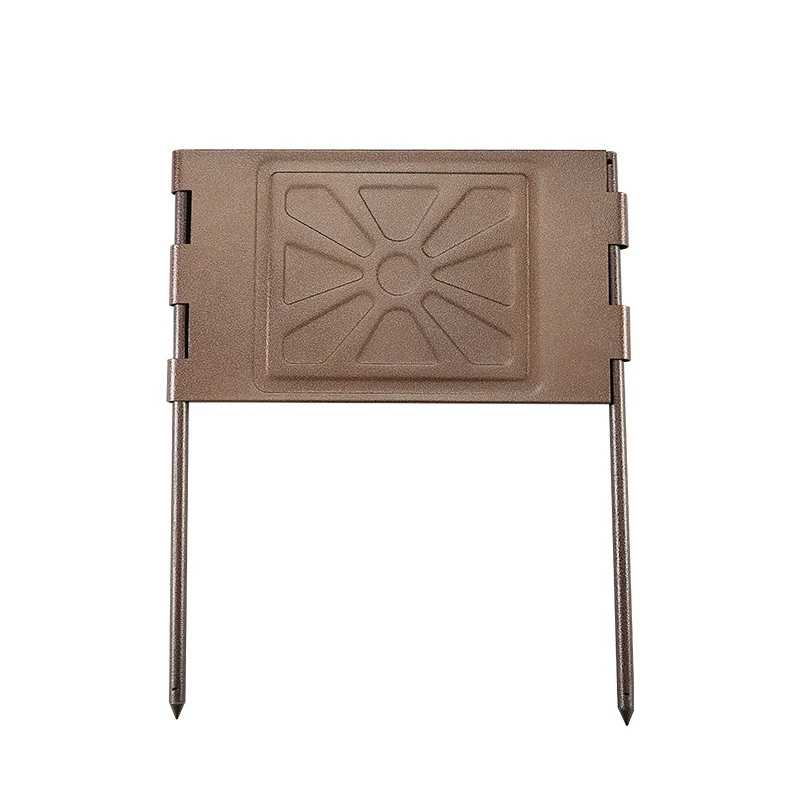

For straight sections of edging, you can use a mallet or a rubber hammer to drive the edging into the ground. Make sure the edging is level and straight as you go, using a level to check your work. If you're installing the edging in a curved or irregular shape, you may need to bend the edging to fit the contour of the area. You can use a pipe bender or a pair of pliers to bend the edging, being careful not to damage it.
Once the edging is in place, you can secure it using stakes or anchors. Most metal landscape edging products come with pre-drilled holes for easy installation. Simply insert the stakes or anchors into the holes and drive them into the ground using a mallet or a hammer. Make sure the stakes or anchors are firmly in place to prevent the edging from shifting or moving.
Filling the Area
After the metal landscape edging is installed, you can fill the area with soil, gravel, or mulch. If you're creating a flower bed or a raised garden bed, fill the area with a high-quality soil mixture that's suitable for the plants you want to grow. Make sure the soil is level and evenly distributed, and water it thoroughly to help it settle.
If you're using the edging to separate a lawn from a patio or a driveway, you can fill the area with gravel or mulch to create a clean and defined border. Gravel and mulch not only add a decorative touch to your landscape but also help to prevent weeds from growing and keep the area looking neat and tidy.
Maintaining Your Metal Landscape Edging
Once your metal landscape edging is installed, it's important to maintain it properly to ensure its longevity and performance. Regularly inspect the edging for any signs of damage or wear, such as rust, dents, or loose stakes. If you notice any issues, address them promptly to prevent further damage.
To keep the edging looking its best, you can clean it periodically using a mild detergent and a soft brush. Rinse the edging thoroughly with water and dry it with a clean cloth. Avoid using abrasive cleaners or tools, as they can scratch or damage the surface of the edging.
Conclusion
Installing metal landscape edging in an urban area is a great way to enhance the beauty and functionality of your outdoor space. By following these steps and choosing the right metal landscape edging for your needs, you can create a durable and attractive border that will last for years to come.
As a metal landscape edging supplier, we're committed to providing high-quality products and excellent customer service. If you have any questions or need further assistance with your installation, please don't hesitate to contact us. We're here to help you every step of the way. Whether you're a homeowner, a landscaper, or a contractor, we can provide you with the right metal landscape edging solutions for your project. Contact us today to discuss your requirements and start transforming your outdoor space.
References
- "Landscape Edging: A Guide to Choosing and Installing." Gardening Know How.
- "How to Install Metal Landscape Edging." This Old House.
- "The Benefits of Metal Landscape Edging." HGTV.


