


How does steel garden edging affect the drainage in a garden?
As a supplier of steel garden edging, I often encounter questions from customers regarding the impact of our products on garden drainage. In this blog post, I will delve into the various ways steel garden edging can influence drainage in a garden, providing you with scientific and practical insights to help you make informed decisions for your gardening projects.
Understanding Garden Drainage
Before discussing the effects of steel garden edging on drainage, it's essential to understand the basic principles of garden drainage. Proper drainage is crucial for the health of plants in a garden. Excess water in the soil can lead to waterlogging, which deprives plant roots of oxygen, causing root rot and other diseases. On the other hand, insufficient drainage can result in dry soil, which may stress plants and limit their growth.
Garden drainage is influenced by several factors, including soil type, slope of the land, and the presence of natural or artificial barriers. Soil type plays a significant role in determining the rate of water infiltration and retention. Sandy soils typically drain quickly, while clay soils tend to hold water for longer periods. The slope of the garden affects the direction and speed of water flow, and barriers can either divert or impede water movement.
Positive Effects of Steel Garden Edging on Drainage
Channeling Water Flow
One of the primary benefits of steel garden edging is its ability to channel water flow. When installed correctly, steel edging can create a defined boundary between different areas of the garden, such as a lawn and a flower bed. This boundary can help direct water towards desired drainage areas, preventing water from pooling in unwanted locations.
For example, if you have a sloped garden, placing steel edging along the contour lines can help slow down the flow of water, allowing it to infiltrate the soil more effectively. This can reduce the risk of soil erosion and water runoff, which are common problems in gardens with steep slopes. Additionally, steel edging can be used to create small catchment areas or swales, where water can collect and gradually seep into the ground.
Preventing Soil Compaction
Another advantage of steel garden edging is that it can help prevent soil compaction. When people walk or work on the soil near the edge of a garden bed, the soil can become compacted, reducing its porosity and ability to absorb water. Steel edging provides a physical barrier that prevents foot traffic from directly compacting the soil in the garden bed.
By maintaining the soil's structure and porosity, steel edging allows water to penetrate the soil more easily, improving drainage. This is particularly important in areas where heavy foot traffic is expected, such as along garden paths or near the entrance to a garden.
Separating Different Soil Types
In some gardens, different areas may have different soil types, each with its own drainage characteristics. For instance, a lawn may have a sandier soil that drains quickly, while a flower bed may have a more loamy soil that retains moisture. Steel garden edging can be used to separate these different soil types, preventing the mixing of soils and ensuring that each area drains according to its specific needs.
This separation can be especially beneficial in preventing waterlogging in flower beds. If the water from the lawn were to seep into the flower bed without proper edging, it could oversaturate the soil, leading to root problems for the plants. By using steel edging, you can control the water flow between different areas of the garden, promoting healthy plant growth.
Negative Effects of Steel Garden Edging on Drainage
Blocking Natural Drainage Paths
While steel garden edging can be beneficial for directing water flow, it can also pose a problem if it blocks natural drainage paths. In some cases, the installation of edging may interfere with the natural flow of water, causing it to back up and create waterlogging in certain areas.
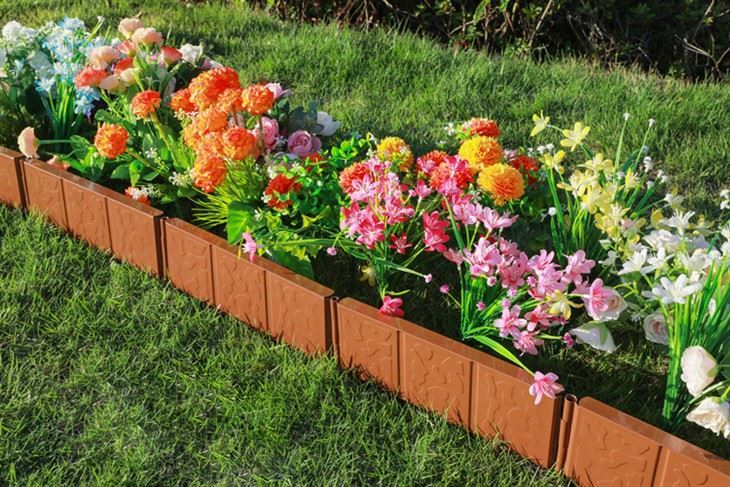

For example, if you install steel edging across a natural drainage channel or a low - lying area where water naturally collects and drains, it can prevent the water from flowing freely. This can lead to the formation of standing water, which is not only unsightly but can also attract pests and diseases.
Creating a Barrier to Subsurface Drainage
Steel garden edging can also create a barrier to subsurface drainage. In well - drained gardens, water moves through the soil layers and eventually drains away through underground channels. If the steel edging is installed too deeply or if it is not properly perforated, it can impede the movement of water through the soil, reducing the effectiveness of subsurface drainage.
This can be a particular concern in gardens with heavy clay soils, where subsurface drainage is already more challenging. In such cases, it may be necessary to choose a type of steel edging that has perforations or to install it in a way that allows water to pass through.
Choosing the Right Steel Garden Edging for Drainage
To minimize the negative effects and maximize the positive effects of steel garden edging on drainage, it's important to choose the right type of edging for your garden.
Perforated Steel Edging
Perforated steel edging is a good option for gardens where subsurface drainage is a concern. The perforations in the edging allow water to pass through, reducing the likelihood of it creating a barrier to drainage. This type of edging is available in various sizes and styles, and can be easily installed in different garden layouts. You can find Metal Garden Edge and Metal Lawn Edging options that are perforated to enhance drainage.
Flexible Garden Edging
Flexible Garden Edging is another great choice, especially for gardens with irregular shapes or slopes. It can be easily bent and shaped to follow the contours of the land, allowing for better water flow management. Flexible steel edging can be used to create gentle curves and bends that can help direct water towards drainage areas without blocking natural flow paths.
Installation Considerations for Drainage
Proper installation of steel garden edging is crucial for ensuring good drainage. Here are some installation tips to keep in mind:
- Align with the slope: When installing steel edging, make sure it is aligned with the natural slope of the garden. This will help water flow in the desired direction and prevent water from pooling behind the edging.
- Leave gaps for water flow: If you are installing multiple sections of edging, leave small gaps between them to allow water to pass through. This is particularly important in areas where water runoff is expected.
- Avoid blocking drainage channels: Before installing the edging, identify any natural drainage channels in the garden and make sure not to block them. If necessary, modify the installation plan to accommodate these channels.
Conclusion
Steel garden edging can have both positive and negative effects on garden drainage. When used correctly, it can help channel water flow, prevent soil compaction, and separate different soil types, all of which contribute to better drainage. However, it's important to be aware of the potential negative effects, such as blocking natural drainage paths and creating barriers to subsurface drainage.
By choosing the right type of steel edging, such as perforated or flexible edging, and following proper installation techniques, you can ensure that your steel garden edging enhances the drainage in your garden. If you have any questions or need further advice on choosing the right steel garden edging for your drainage needs, feel free to contact us. We are here to help you make the best decisions for your garden.
References
- "Gardening Basics: Understanding Drainage" by The Old Farmer's Almanac
- "Soil and Water Relationships in the Garden" by University of California Cooperative Extension


