


Can steel garden edging be used in cold climates?
As a supplier of Steel Garden Edging, I've encountered numerous inquiries from customers in cold - climate regions regarding the suitability of our product for their gardens. This blog post aims to provide a comprehensive analysis of whether steel garden edging can be effectively used in cold climates.
Understanding Cold Climate Challenges
Cold climates present several challenges for garden edging materials. The most prominent issue is the freeze - thaw cycle. During winter, water can seep into the soil around the edging. When the temperature drops, this water freezes and expands. As it thaws, the soil contracts. This repeated expansion and contraction can exert significant pressure on the edging, causing it to shift, crack, or break.
Another challenge is the impact of snow and ice removal. In cold regions, people often use shovels, snow blowers, or de - icing salts to clear snow and ice from their driveways and sidewalks. These actions can accidentally damage the garden edging, and de - icing salts can be corrosive to some materials.
Properties of Steel Garden Edging
Steel is a robust and durable material. It has high tensile strength, which means it can withstand a great deal of force without breaking. This property is crucial when dealing with the pressures exerted by the freeze - thaw cycle. Unlike some plastic or wooden edging materials that may crack or splinter under pressure, steel is more likely to bend slightly and then return to its original shape.
In terms of corrosion resistance, modern steel garden edging is often coated. Galvanized steel, for example, has a zinc coating that acts as a sacrificial anode. When exposed to the elements, the zinc corrodes instead of the steel, providing long - term protection against rust. Some steel edging may also have additional powder - coating finishes that further enhance its resistance to corrosion and damage from environmental factors.
Performance in Cold Climates
One of the key advantages of steel garden edging in cold climates is its ability to handle the freeze - thaw cycle. The high strength of steel allows it to resist the expansion and contraction of the soil around it. Even when the soil exerts significant pressure during freezing, steel edging is less likely to be displaced compared to other materials.
Regarding snow and ice removal, steel can withstand the impact of shovels and snow blowers better than many alternatives. A well - installed steel edging will not easily be dented or damaged by accidental contact. Moreover, if de - icing salts are used in the area, the corrosion - resistant coatings on steel edging can prevent the salts from causing rapid deterioration.
However, it's important to note that while steel is durable, it is not completely immune to the effects of cold climates. In extremely cold temperatures, steel can become more brittle. Although this is a relatively minor concern for most garden edging applications, it's something to keep in mind. To mitigate this, proper installation is crucial. Ensuring that the edging is securely anchored in the ground can help distribute the forces evenly and reduce the risk of damage.
Installation Considerations for Cold Climates
When installing steel garden edging in cold climates, there are a few important factors to consider. First, the depth of installation is crucial. The edging should be buried deep enough to ensure stability. A depth of at least 6 - 8 inches is recommended in cold regions. This allows the edging to be firmly held in place by the soil, reducing the risk of displacement during the freeze - thaw cycle.
It's also important to leave some flexibility in the installation. Steel edging should not be installed too rigidly. Allowing a small amount of movement can help the edging adapt to the changes in the soil and prevent excessive stress on the material. For example, when using Flexible Garden Edging, it can be bent and shaped to fit the contours of the garden while still providing the necessary stability.
Comparison with Other Edging Materials
Let's compare steel garden edging with some other common edging materials in the context of cold climates.
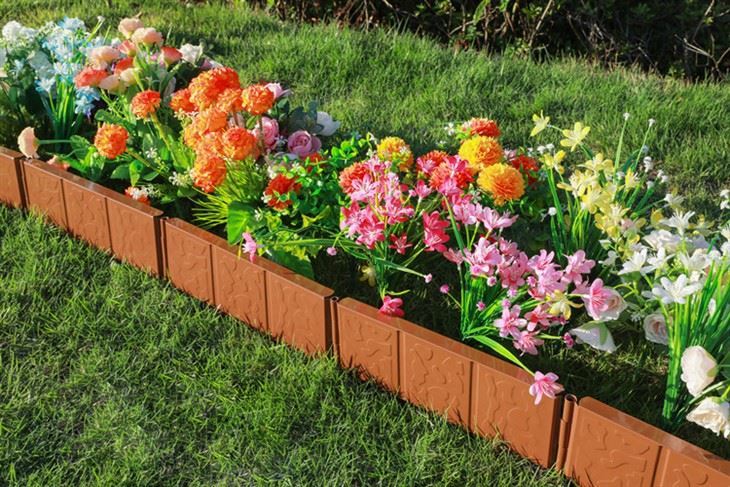
Plastic Edging: Plastic is a popular choice due to its affordability. However, in cold temperatures, plastic becomes brittle. The freeze - thaw cycle can cause it to crack easily, and it may not be able to withstand the impact of snow and ice removal. Additionally, plastic is more likely to be displaced by the movement of the soil.
Wooden Edging: Wood is a natural and aesthetically pleasing option. But in cold and wet conditions, wood is prone to rot and decay. The freeze - thaw cycle can also cause the wood to split, and it may not hold up well against the forces exerted by the soil. Moreover, wooden edging may need regular maintenance, such as staining or painting, to protect it from the elements.

Concrete Edging: Concrete is heavy and can be difficult to install. It is also prone to cracking during the freeze - thaw cycle. Once cracked, water can seep into the cracks, further exacerbating the problem and potentially leading to more extensive damage over time.
Maintenance in Cold Climates
Maintaining steel garden edging in cold climates is relatively straightforward. After the winter season, it's a good idea to inspect the edging for any signs of damage. Check for any areas where the coating may have been chipped or scratched. If the galvanized coating has been damaged, touch - up paint or zinc - rich spray can be used to repair it.
Cleaning the edging periodically can also help maintain its appearance and performance. A simple wash with soapy water can remove dirt, salt, and other debris that may have accumulated during the winter.
Conclusion
In conclusion, steel garden edging is a viable option for cold climates. Its strength, durability, and corrosion resistance make it well - suited to handle the challenges posed by the freeze - thaw cycle, snow and ice removal, and other cold - climate conditions. While it does require proper installation and some maintenance, it offers long - term performance and reliability compared to many other edging materials.
If you're considering using steel garden edging for your cold - climate garden, I encourage you to explore our range of Steel Garden Edging and Metal Lawn Edging. Our products are designed to meet the highest standards of quality and performance. If you have any questions or would like to discuss your specific requirements, please don't hesitate to contact us for a purchase consultation.
References
- Smith, J. (2018). "Materials for Garden Edging: A Comparative Analysis". Journal of Horticultural Science.
- Brown, A. (2019). "The Effects of Cold Climates on Landscape Materials". Landscape Research Quarterly.
- Green, C. (2020). "Maintenance Tips for Outdoor Garden Edging". Gardening Today Magazine.


