


Can flexible garden edging be used for container gardens?
As a supplier of Flexible Garden Edging, I've been frequently asked whether our product can be effectively used for container gardens. In this blog post, I'll delve into the details to provide you with a comprehensive answer.
Understanding Flexible Garden Edging
Flexible garden edging is a versatile landscaping material that offers numerous benefits. It is designed to create a clear boundary between different areas in a garden, such as separating flower beds from lawns or defining pathways. The flexibility of this edging allows it to be easily shaped into curves, circles, or any other desired form, making it suitable for a wide range of garden designs.
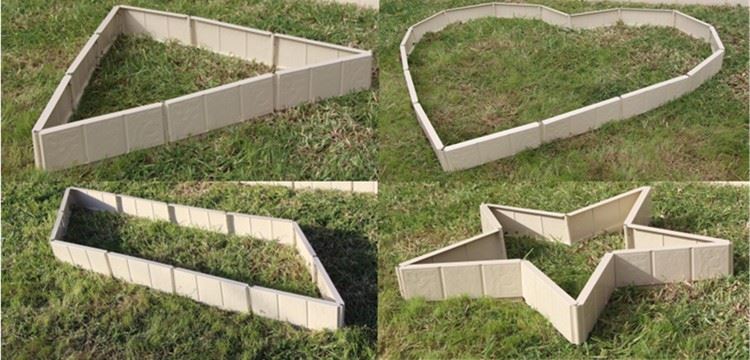

Our Flexible Garden Edging is made from high - quality materials that are durable and weather - resistant. It comes in various lengths and widths, giving gardeners the freedom to choose the most appropriate option for their specific needs.
Advantages of Using Flexible Garden Edging in Container Gardens
- Defining the Space
In container gardens, it's essential to have a clear demarcation of the planting area. Flexible garden edging can be used to create a distinct border around the container. This not only makes the container look more organized but also helps to keep the soil and plants in place. For example, if you have a large container with multiple types of plants, the edging can separate different plant groupings, making the overall arrangement more visually appealing. - Preventing Soil Erosion
When watering container plants, there is a risk of soil being washed out of the container. Flexible garden edging acts as a barrier, preventing the soil from spilling over the sides. This is especially important for containers placed on decks, patios, or other hard surfaces where soil spills can be a mess to clean up. - Enhancing Aesthetics
The edging can add a decorative element to the container garden. You can choose from different colors and styles of flexible garden edging to match the overall theme of your garden. For instance, a sleek and modern metal edging can give a contemporary look to a container garden, while a more rustic - looking edging can complement a cottage - style garden. - Easy Installation
One of the great advantages of flexible garden edging is its ease of installation. It can be easily cut to the desired length and bent to fit the shape of the container. Whether you have a square, rectangular, or circular container, the edging can be customized to fit perfectly.
Types of Flexible Garden Edging Suitable for Container Gardens
- Metal Garden Edge
Metal Garden Edge is a popular choice for container gardens. It is strong, durable, and has a modern look. Metal edging can withstand the elements and is resistant to rust and corrosion. It can be easily shaped to fit the container, and its smooth surface gives a clean and sophisticated appearance. - Galvanized Garden Edging
Galvanized Garden Edging is another excellent option. The galvanization process adds a layer of protection to the metal, making it even more resistant to rust and wear. This type of edging is suitable for both indoor and outdoor container gardens, as it can handle different environmental conditions.
Considerations When Using Flexible Garden Edging in Container Gardens
- Size of the Container
The size of the container will determine the amount and type of edging you need. For small containers, a thinner and more flexible edging may be sufficient, while larger containers may require a sturdier and wider edging to provide adequate support. - Planting Requirements
Some plants may have specific root growth patterns or requirements. Make sure that the edging does not restrict the growth of the plants. For example, if you are planting a plant with a spreading root system, ensure that the edging allows enough space for the roots to grow without being constricted. - Weather Conditions
If the container garden is placed outdoors, consider the local weather conditions. In areas with extreme temperatures or high humidity, choose an edging material that can withstand these conditions. Metal edging is generally a good choice as it is more resistant to weather - related damage compared to some other materials.
Installation Process of Flexible Garden Edging in Container Gardens
- Measure the Container
First, measure the perimeter of the container. This will help you determine the length of the edging you need. Make sure to measure accurately, especially if you are using a pre - cut edging. - Cut the Edging
Using a sharp pair of scissors or a saw, cut the flexible garden edging to the appropriate length. If you need to create curves or bends, do this carefully to ensure a smooth and even shape. - Attach the Edging
There are several ways to attach the edging to the container. For some types of edging, you can use adhesive or double - sided tape. For others, you may need to use small nails or screws. Make sure the edging is securely attached to the container to prevent it from coming loose. - Fill the Container
Once the edging is in place, you can fill the container with soil and plant your desired plants. The edging will now keep the soil and plants in place.
Conclusion
In conclusion, flexible garden edging can be a valuable addition to container gardens. It offers multiple benefits, including defining the space, preventing soil erosion, enhancing aesthetics, and being easy to install. Whether you choose a metal garden edge or galvanized garden edging, it can significantly improve the appearance and functionality of your container garden.
If you are interested in purchasing high - quality flexible garden edging for your container gardens or have any questions about our products, please feel free to contact us for a detailed discussion. We are committed to providing you with the best solutions for your gardening needs.
References
- "The Complete Book of Container Gardening" by a well - known gardening author.
- Various gardening magazines and online resources on container gardening and landscaping.


